Best GPS Dog Trackers 2026: No-Subscription Picks First
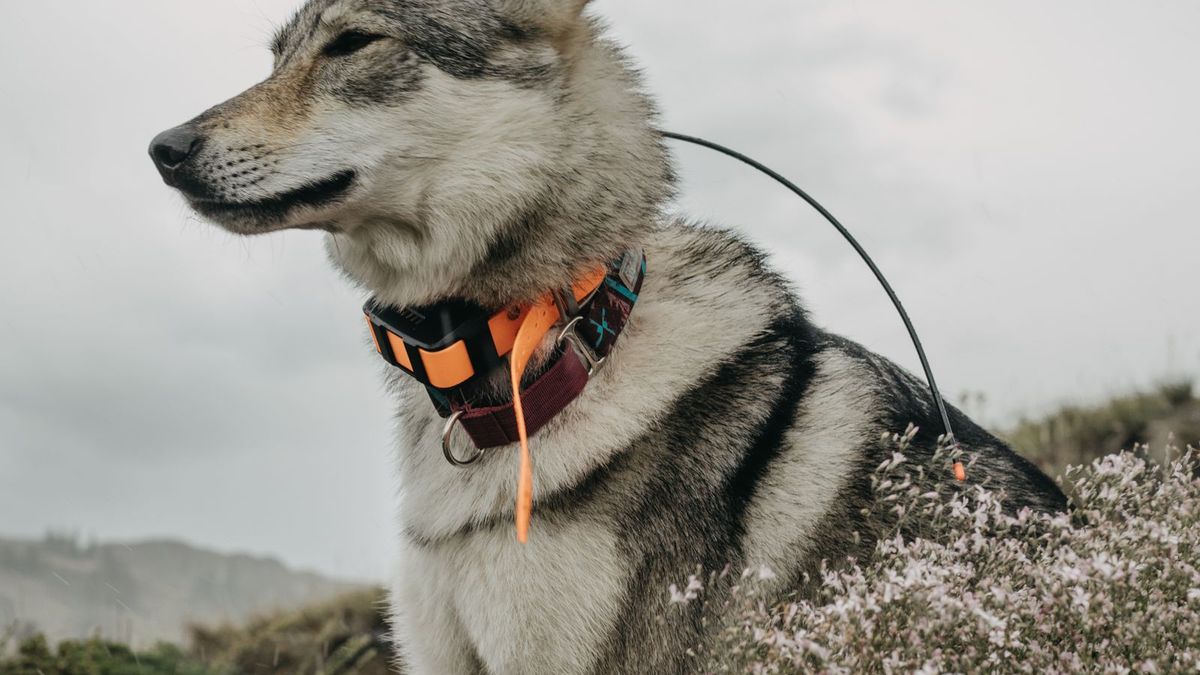
Every GPS tracker review buries the question you actually typed into Google: which ones don't charge a monthly fee? The answer gets buried because subscription trackers pay reviewers better. Let's do it the other way around.
The honest physics first: live tracking over the phone network costs the manufacturer money every month, so "no subscription" always means a trade — service bundled into a higher upfront price, or a slower low-bandwidth network instead of true live tracking. Both trades can be worth it. Below are the two no-subscription trackers that actually deliver, the two subscription collars that justify their fee, and the truth about using an AirTag.
Quick comparison
| Tracker | Monthly fee | Live tracking | Battery | Best for |
|---|---|---|---|---|
| PitPat GPS | None — ever | Yes (on-demand) | ~2–4 weeks | Best no-subscription |
| Invoxia Pet Tracker | None for years (bundled) | Near-live (1–10 min) | Up to 4 weeks | Small dogs, low weight |
| Tractive GPS LTE | Yes (~$5–13/mo) | Yes (2–3 sec mode) | 3–7 days | Best overall tracking |
| Fi Series 3 | Yes (~$8–19/mo) | Yes (lost-dog mode) | Up to 3 months | Battery + activity stats |
| Apple AirTag | None | No — crowd pings only | ~1 year (coin cell) | Backup layer only |
Our top picks, reviewed
1. PitPat GPS Tracker
PitPat's pitch is simple: pay once, track forever — the cellular service is baked into the price, and there is genuinely no monthly fee, no "premium tier", no trap. You get on-demand GPS fixes and a live-tracking mode when the dog is actually lost, plus activity monitoring. The trade-offs: fixes are on-request rather than constant (which is also why the battery lasts weeks), and coverage depends on its partner networks — check your area before relying on it deep in the hills. For the owner who wants lost-dog insurance without a direct debit, this is the one.
- Genuinely zero ongoing fees
- Weeks of battery, not days
- Activity tracking included
- On-demand fixes, not constant live view
- Coverage weaker in remote terrain
2. Invoxia Pet Tracker
Invoxia uses low-power networks (LoRa/LTE-M) instead of full cellular, which is how it bundles years of service into the sticker price and stretches battery life toward a month. The result is near-live tracking — positions every 1–10 minutes in normal use, faster in lost mode — in a 15-gram package that fits collars small dogs actually wear. It's the best answer under about 10 kg, where Tractive and Fi collars get bulky. Know the limit: network coverage is city-and-suburb strong, deep-wilderness weak.
- Tiny and light — true small-dog option
- Years of service included in price
- Excellent battery life
- Update rate slower than true live GPS
- Rural/wilderness coverage patchy
3. Tractive GPS LTE
If you can live with a subscription, Tractive is the tracking benchmark: live positions every 2–3 seconds in Live mode, worldwide coverage on real cellular networks, virtual fences with instant escape alerts, and a cheap, light device because the business model is the fee. For escape artists, hunting companions and foster dogs, that update rate is the difference between watching your dog move down a trail and refreshing a ten-minute-old dot. Budget the subscription honestly: it's the price of the product.
- True live tracking, 2–3 second updates
- Virtual fence + escape alerts
- Works across countries
- Useless without the subscription
- Battery measured in days, not weeks
4. Fi Series 3 Smart Collar
Fi solves the tracker problem differently: it lives on WiFi and Bluetooth around home (sipping battery for up to three months per charge) and only burns cellular when the dog actually leaves the safe zone, when its Lost Dog Mode delivers fast live updates. Add the best activity/sleep stats in the category and an integrated collar build strong enough for big dogs, and it's the premium pick for data-loving owners — at premium subscription prices.
- Monthly-to-quarterly charging, not daily anxiety
- Best-in-class activity and sleep tracking
- Tough integrated collar design
- Highest subscription cost here
- US-focused coverage
5. Apple AirTag (with a caveat the size of a field)
We'd be ignoring reality not to include it — half of all "dog tracker" searches end in an AirTag purchase. So here's the honest spec: an AirTag has no GPS. It reports its position only when a passing iPhone hears it. Dense city? Works surprisingly often. The field, woods or highway shoulder where dogs actually go missing? Silence. It can't live-track a moving dog at all. For a few dollars in a collar mount it's a sensible second layer (and great on luggage and in the car), but as the only plan it fails exactly when you need it.
- Cheap, tiny, year-long battery
- No fees
- Decent in dense urban areas
- No GPS, no live tracking
- Needs passing iPhones — fails in open country
- Android households get almost nothing
No-subscription vs subscription: how to choose
Ask one question: is your dog an active flight risk, or are you buying insurance? Door-dashers, fence-jumpers, scent hounds and newly adopted dogs justify Tractive's live mode — during an actual escape, 2-second updates earn their fee. If your dog is usually reliable and you want a safety net without another direct debit, PitPat (any size dog) or Invoxia (small dogs) covers the realistic scenario: dog slipped away on a walk, you need a position within minutes, not milliseconds. And whichever you pick, attach it to a well-fitted harness or collar it can't slide off — a tracker in the grass tracks the grass.
Frequently asked questions
Are there really GPS dog trackers with no subscription?
Yes, but understand the trade: "no subscription" trackers either bundle years of cellular service into a higher upfront price (PitPat GPS) or use low-bandwidth networks with slower update rates (Invoxia). True live second-by-second tracking over cellular costs the maker money monthly, so someone pays — either upfront or as a fee.
Is an Apple AirTag good enough for my dog?
As a backup, not a tracker. An AirTag has no GPS — it reports location only when a passing iPhone detects it, which works in cities and fails in exactly the fields and woods where dogs get lost. It also can't do live tracking of a moving dog. Fine as a cheap second layer on the collar; wrong as the only plan.
How accurate are GPS dog trackers?
In open ground, typically 3–10 meters. Tree cover, buildings and valleys degrade that, which is why good trackers blend GPS with WiFi positioning and cellular triangulation. For a running dog you care more about update frequency: premium live modes update every 2–10 seconds, budget and no-subscription modes every 30 seconds to several minutes.
GPS tracker or microchip — do I need both?
They do different jobs. A microchip is permanent ID that works only when someone catches your dog and scans it; a GPS tracker tells you where the dog is right now but can fall off or run out of battery. Chip always; tracker if your dog has any escape history, hikes off-leash, or is a known door-dasher.
Also read: most escapes start with pulling out of gear — the 5 best no-pull harnesses fit escape-proof. Practicing recall instead? Our leash comparison explains why a long line beats a retractable for training.